How to choose a frame
Suggested filters
A good quality frame protects your artwork, preserving it for many years to come. Here’s a step-by-step guide to help you chose the perfect finish.
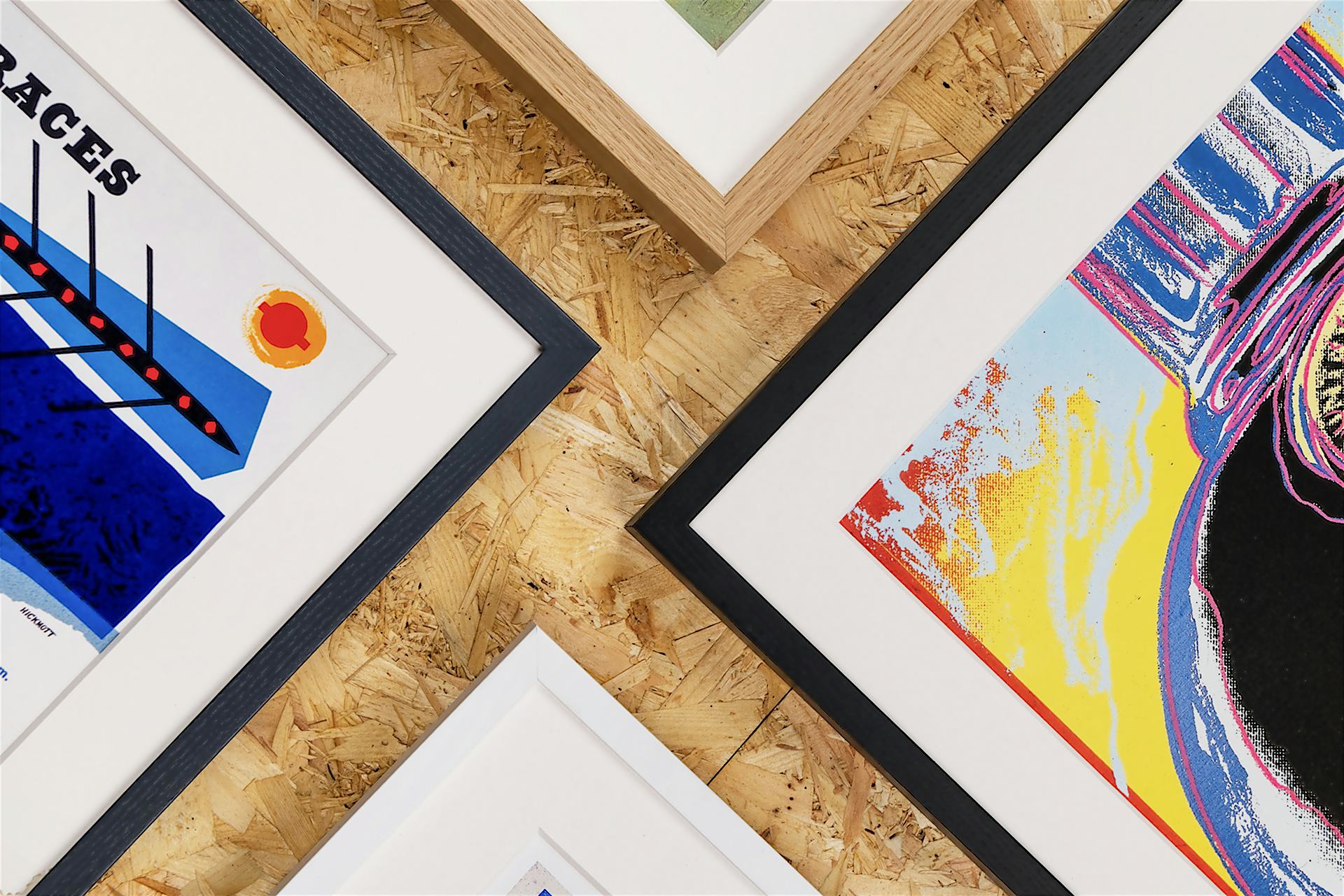
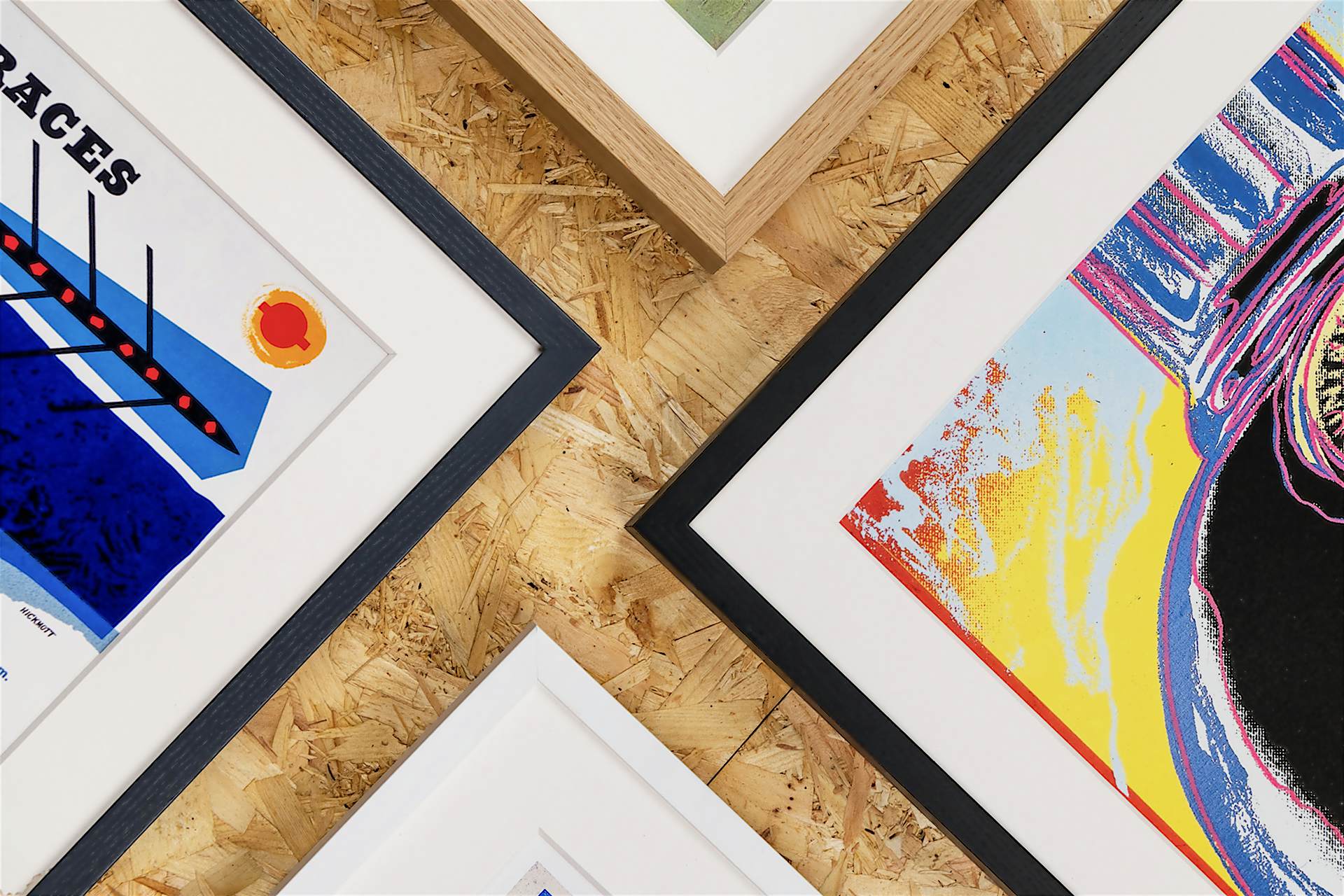
To ensure our hand-finished frames last a lifetime, we select our timber very carefully. Grown in a temperate climate, the raw ash and oak we use comes from sustainably-managed forests in North America, allowing it to mature slowly and achieve a consistent colour and grain.
Black stained ash
If you like to see the grain of the wood, our solid ash frames have a beautiful artisan touch. They look great paired with a Modern master or Vintage poster. We carefully stain each frame with water-based paint (which is non-flammable and more environmentally friendly than oil-based paint) and apply a coloured lacquer which creates a deep lustre.

Natural oak
A natural oak frame is a classic choice that works particularly well with paintings from our Museums and Archives collection.
Oak also provides a beautiful surrounding for bright contemporary prints, giving modern pieces a timeless appeal. We apply a clear lacquer which creates a satin finish that emphasises the natural character of the timber.

Grey ash
Our cool grey ash frame is always a popular choice amongst interior designers as it is understated and smart. This versatile tone works with many colour palettes and is the best choice if you want a contemporary look and subtle frame.
We carefully stain each frame with water-based grey paint (which is non-flammable and more environmentally friendly than oil-based paint) and apply a coloured lacquer which creates a slick finish.

Black satin
Classic black satin frames work particularly well with contemporary and brightly coloured wall colours because the contrast accentuates the print. Our responsibly sourced, solid wood black frames are sleek and stylish – an excellent choice for Photography and Graphic art prints.

White satin
Our responsibly sourced, solid wood satin frame offers a minimalist look that is perfect for Contemporary art, Photography and prints with a neutral colour palette.

Related stories
 guides
How to choose a frame
guides
How to choose a frame
Let us help you find the perfect frame for your print.
Suggested filters
 guides
How to hang your art
guides
How to hang your art
Follow this simple step-by-step guide to help you hang your prints as soon as they arrive.
 guides
What is conservation framing?
guides
What is conservation framing?
We talk you through the special conservation process our rare and UNIQUE prints undergo in our Sussex workshop.
Suggested filters
 guides
What makes a special edition ‘special’?
guides
What makes a special edition ‘special’?
Find out more about the extra special features we add to these collectible pieces.
Suggested filters
 guides
What are rare and limited prints?
guides
What are rare and limited prints?
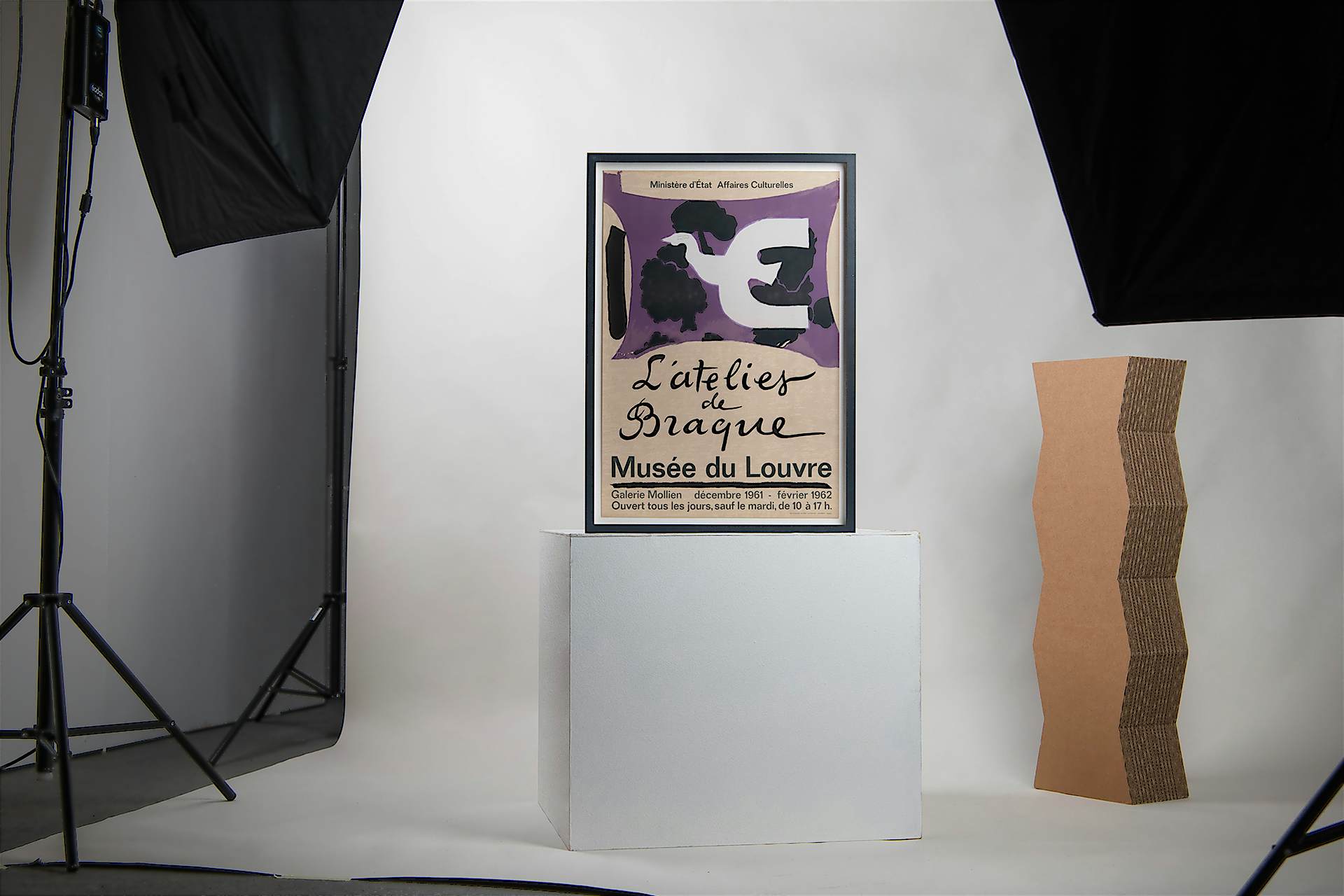
Find out more about the collectible posters in our historic archive dating from 1950 to the present day.
Suggested filters
 guides
How to take care of your art
guides
How to take care of your art
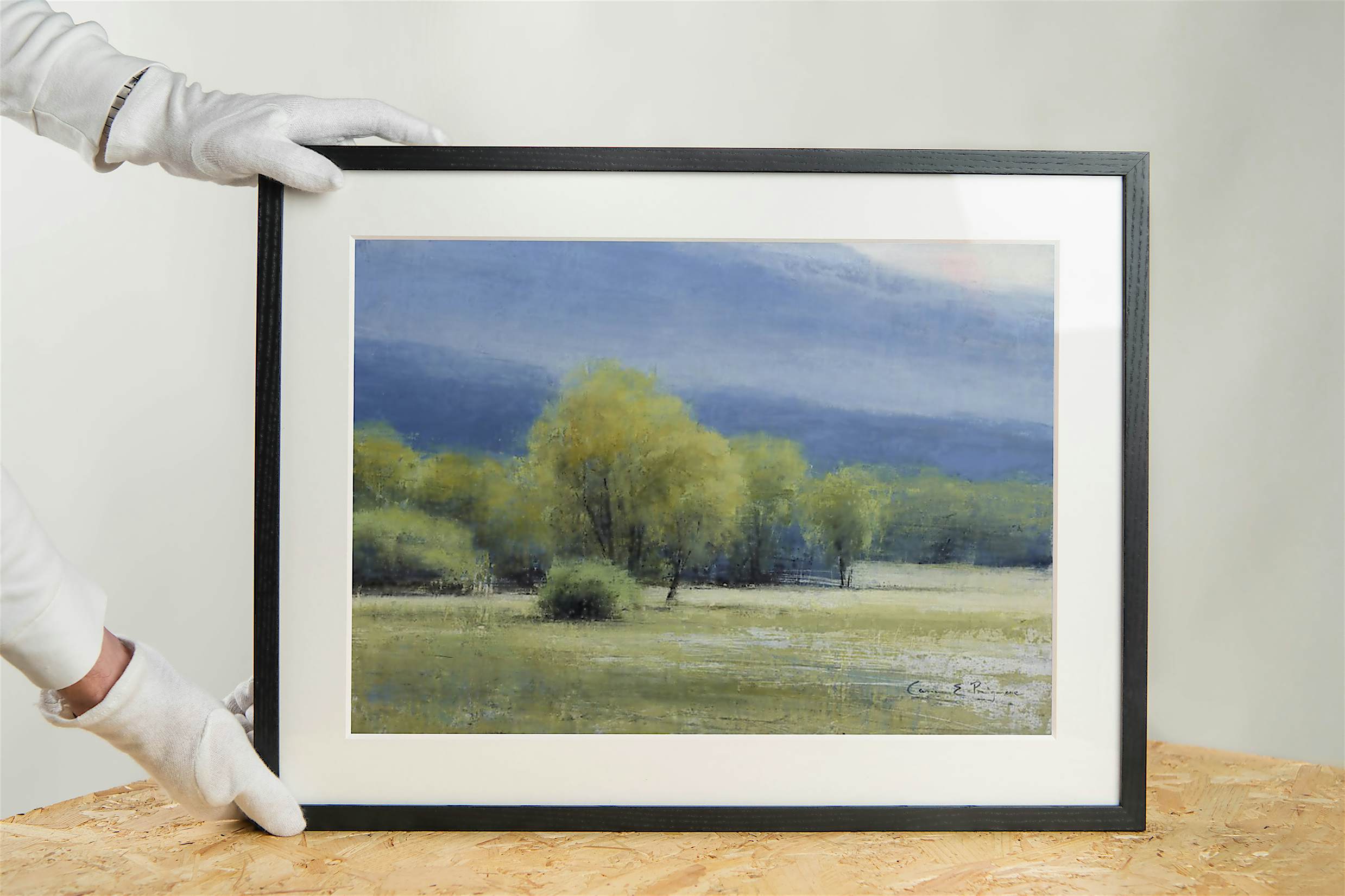
Follow these simple tips to help preserve the art you love for years to come.
Suggested filters
 guides
Glossary of art terms
guides
Glossary of art terms
Demystify your understanding of art terminology with our straight-talking glossary.
 guides
How to make the most of your wish list
guides
How to make the most of your wish list
Follow this helpful guide to see how you can keep a record of your favourite prints and share gift ideas with others.
Suggested filters
 guides
What is a mount?
guides
What is a mount?
Let us help you find the perfect mount to enhance the presentation of your print.
 guides
What is UV acrylic?
guides
What is UV acrylic?
Find out more about the high quality cast acrylic we use to protect all of our prints.
